
01
Office of Originals
The register
A reference record of furniture, lighting and objects: who designed them, who holds the rights, what protection is claimed and where the reference material comes from.
For everyone
Rights and verification for physical design
Urform connects the people who create furniture, lighting and objects with the AI companies that learn from them. Originals are registered, AI outputs are checked against them, and licensed use pays the people behind the work.
AI is learning to design physical things. Urform is built so that it learns from originals, with permission, and so that the designers, brands and estates behind them are paid.
How it works

01
Designers, brands and estates record their originals in the Office of Originals.
02
Generated images and 3D models are checked against the register before release.
03
AI companies license the originals they build on: data for training, styles for generation.
04
Every license returns a share of the revenue to the people behind the work.
Platform
01
The register
A reference record of furniture, lighting and objects: who designed them, who holds the rights, what protection is claimed and where the reference material comes from.
For everyone
02
Copy check for AI outputs
An API that checks generated images and 3D models against the register. Close matches come back with the original, its rights holder and the licensing options.
For AI companies and marketplaces
03
Licensed training data
Curated images, drawings and 3D data of originals, licensed with documented provenance for training and fine-tuning.
For AI companies
04
Design in a style, with permission
Generate in the recognizable language of a designer or brand, with their consent and a share of every license fee.
For AI companies and brands
05
Expert evaluation
Test sets and ratings from designers, engineers and makers. Does a generated object look right, and could it actually be built?
For AI labs and robotics
06
Monitoring for rights holders
See where generative tools reproduce your work, with documented evidence you can hand to your lawyer.
For brands, designers and estates
Verify
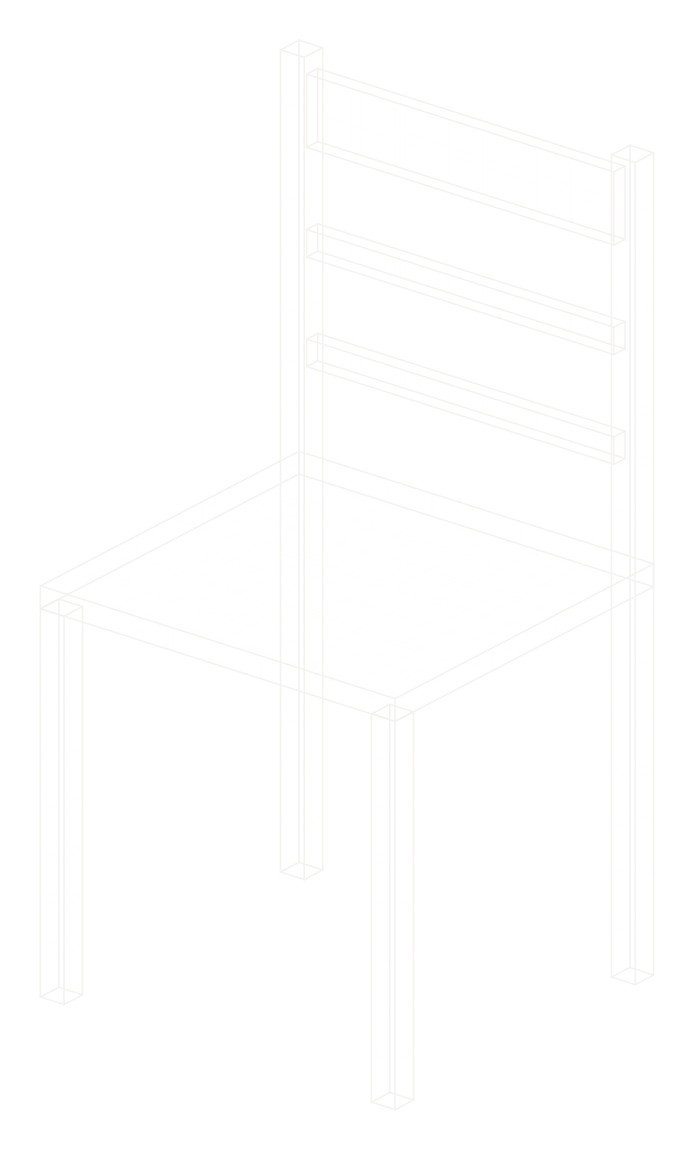
Generated
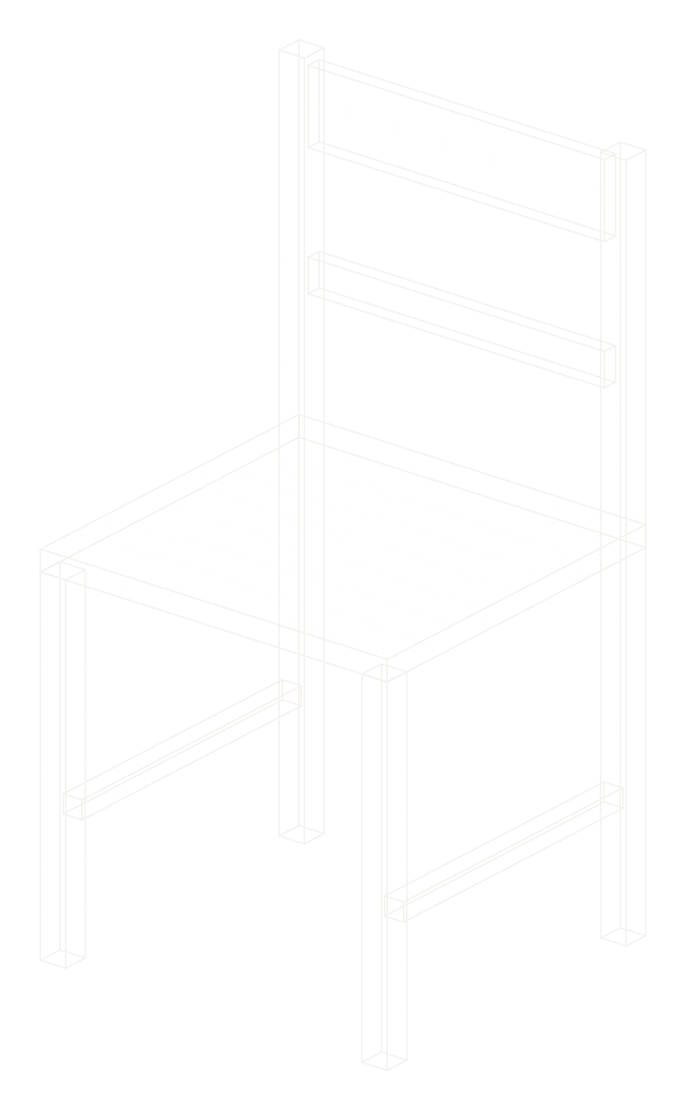
Original
// example response
{
  "match": "registered_original",
  "similarity": 0.94,
  "rights_holder": "on_record",
  "license": "available",
  "action": "review_before_release"
}
Who it's for
Designers and estates
Brands and manufacturers
AI companies
Why now
Since August 2025, the EU AI Act requires providers of general-purpose AI models to have a policy for complying with EU copyright law and to publish a sufficiently detailed summary of the content used for training.
Regulation (EU) 2024/1689, Art. 53
Since May 2025, EU design protection also covers digital designs, and the holder of a registered EU design can act against creating, downloading or sharing files that enable a protected product to be made, for example by 3D printing.
Regulation (EU) 2024/2822
Image, 3D and robotics models increasingly produce objects that can be manufactured.
Nothing is licensed without the consent of its rights holder.
Every license shares revenue with the people behind the work.
Questions of form and fabrication are answered by designers and makers, not by a model.
FAQ
No. Registering records what exists and who holds the rights. Your work is only licensed with your explicit consent, on terms you agree to.
Every license agreement sets out a share for the rights holders. Urform collects the license fees and pays out that share.
Whether a generated image or 3D model comes close to a registered original. It shows which original, who holds the rights and whether a license is available. It does not replace legal advice.
Designers, engineers and makers selected by Urform. Their judgment is the basis of Bench, not a model's.
No. Urform is a private register. It does not replace registering a design or trademark with the EUIPO or a national office.
Furniture, lighting and objects, starting with the design classics of the twentieth century.
Write to hello@urform.ai with a few lines about you and your work. We are opening access to a first group of designers, brands and AI companies.
Request access